Yes, Good games for special needs children Do Exist
Wiki Article
Exploring Friendship and Social Connection in Children with Neurodiversity
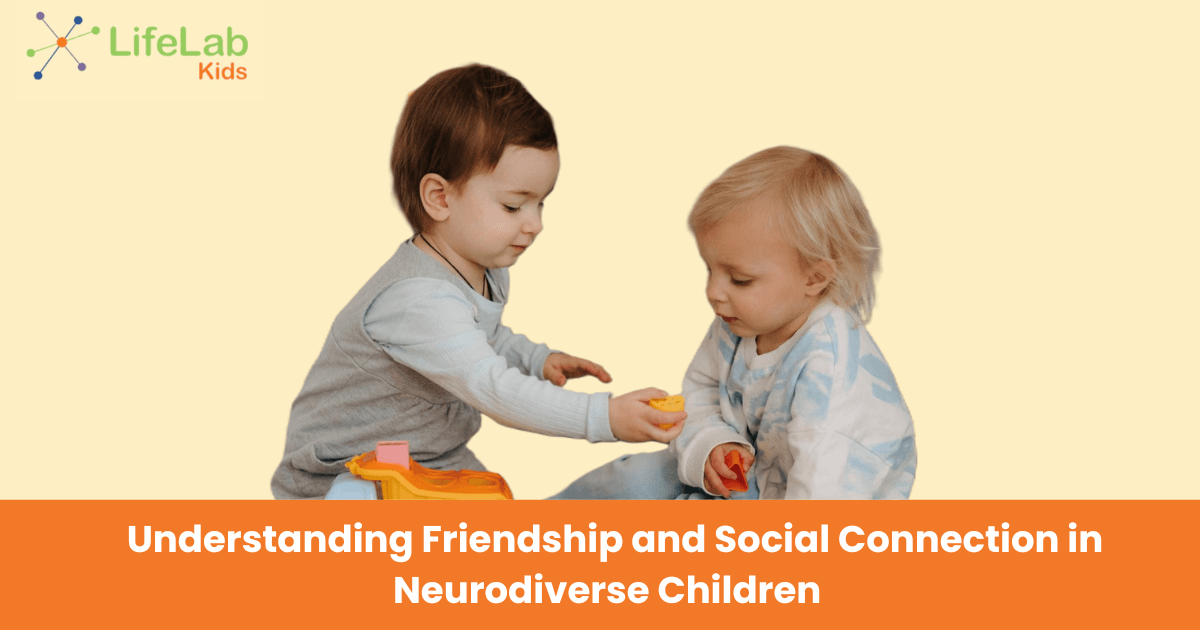
Friendship has a significant role in a child’s emotional growth, self-esteem and overall development. For Neurodiverse Children, forming and maintaining social connections can often present unique challenges. Variations in communication, sensory responses and social awareness can influence how they engage with peers. However, with the appropriate guidance, support systems and professional support such as an autism therapy provider or child psychotherapist, children can build strong friendships and thrive socially. Understanding their needs and creating inclusive environments helps foster confidence and lasting friendships.
The Importance of Social Connections for Neurodiverse Children
Engagement with others is an important part of childhood. It teaches communication, empathy and cooperation. For Neurodiverse Children, friendships offer emotional support and help minimise feelings of isolation. Positive relationships encourage self-expression and allow children to learn social cues at their own pace.
Those supported by structured sessions such as children's therapy near me often enhance their understanding of social behaviour. They learn to identify emotions, respect boundaries and communicate with greater ease. Safe spaces allow children to engage confidently without fear of criticism or confusion.
Difficulties in Forming Social Bonds
Neurodiverse children may experience challenges that affect how they form connections. These can include difficulty understanding non-verbal communication, sensory sensitivities or challenges with initiating conversations. While some prefer independent play, others may find it difficult to read tone, expressions or subtle cues.
Seeking support such as local autism support services can greatly improve outcomes. Experts in developmental and behavioural therapies provide structured guidance to strengthen communication. Assistance from a paediatric occupational therapist can also help manage sensory sensitivities, making interactions easier and less stressful.
The Role of Therapy in Social Development
Therapeutic interventions play a key role in helping children build social skills. Families often consider programmes like an nearby ABA therapy school to provide structured learning environments suited to each child. These programmes use evidence-based strategies to teach communication, behavioural regulation and interaction techniques.
An experienced autism specialist focuses on breaking down complex social behaviours into manageable steps. Children learn how to initiate conversations, share experiences and respond appropriately in different situations. A child mental health specialist may also support emotional development by helping children understand their feelings and build confidence in social settings.
Combining therapies creates a holistic approach where children receive both behavioural guidance and emotional support, allowing them to progress steadily in their social development.
Using Play to Build Social Skills
Play is one of the most effective ways to build social skills. Participating in specialised games for children with additional needs helps improve communication, teamwork and problem-solving abilities. Structured play activities can be designed to encourage turn-taking, sharing and cooperation.
Caregivers and teachers can select activities suited to a child’s interests and capabilities. Group-based games encourage inclusion and comfort. Incorporating sensory activities for kids is especially beneficial, as they balance sensory input and support social participation.
When play is structured yet Neurodiverse Children flexible, children can explore social interactions without pressure. This approach builds confidence and encourages natural communication.
Creating Supportive Environments at Home and School
A supportive environment is crucial for helping children develop social connections. Parents can promote interaction through playdates, role modelling and consistent support. A stable and calm setting makes children feel safe and willing to interact.
Within schools, selecting an nearby ABA-based school can offer personalised support for neurodiverse students. These institutions combine therapy with learning to enhance both social and academic skills. Educators with inclusive training adjust methods to support diverse learning needs and participation.
Working together, parents, educators and therapists create consistent support that helps children transfer skills across settings.
Why Personalised Support Matters
Every child is unique, and their social development journey will differ. What works for one child may not be effective for another. Tailored approaches help address specific abilities and difficulties.
Professionals offering local autism assistance evaluate needs and design personalised plans. These plans may include communication exercises, behavioural strategies and sensory integration techniques. Collaborating with an occupational therapist for children ensures that sensory challenges are managed effectively for smoother interactions.
Individualised approaches help children progress at their own pace, reducing frustration and building confidence in their abilities.
Developing Self-Esteem and Emotional Strength
Confidence is a key factor in forming friendships. Those with strong self-belief tend to interact more freely. Support and praise help strengthen confidence.
Therapeutic support from a child psychotherapist can assist in reducing anxiety and building coping skills. Emotional expression helps children connect and strengthen relationships. Over time, this emotional resilience enables them to handle social challenges more effectively.
Acknowledging progress and offering encouragement keeps children motivated and socially active.
Guidance for Families and Caregivers
Families are central to a child’s social growth. Recognising the needs of Neurodivergent Children helps families offer more effective support. Using services like local therapy for children and expert guidance enables parents to support social development.
Many programmes provide parental guidance to reinforce learning at home. A reliable support system empowers families to assist their child effectively.
Encouraging Inclusive Communities
Creating inclusive communities is essential for fostering meaningful social connections. Awareness and understanding of neurodiversity help reduce stigma and encourage acceptance. Schools, communities and families can work together to create environments where all children feel valued and included.
Encouraging peers to understand and appreciate differences promotes empathy and cooperation. Shared activities enable children to interact, learn and form lasting relationships.
Conclusion
Friendship and social connection are essential aspects of childhood development, and with the right support, Neurodivergent Children can build meaningful relationships. With guidance from an autism therapy provider, structured programmes at an nearby ABA therapy centre and guidance from an paediatric occupational therapist, children can develop the skills needed to interact confidently. By creating supportive environments, encouraging play and embracing individual differences, families and communities can help children thrive socially and emotionally. Report this wiki page